Wednesday, July 17, 2019

Live And Let Live

The brand new New England, of course, had nothing to do with Old England; back when my ancestors arrived here, that is. As some of the early English colonist limited to their tiny ocean side settlements, they hadn't a clue as to how the people already here had been living so deeply integrated with their surroundings. This "new" land had been comfortably populated for at least 12,000 years at that point. It is believed that the people who had been living here probably had not lived in closed structures with animals as my English ancestors had.

The diseases that came with my ancestors to these new shores wiped out most of the people here who had long since settled into there own balanced way of co-existing with the world arround them. This was long after many large species had been wiped out by coming into contact with these same people as they spread out across the continent and began inhabiting the North East part of our country. Millenia of people shaping these lightly tended forest and fields through burning and light agriculture created a landscape I would love to have been able to have seen.

When I arrived here in the 80's (that is the 1980's) and talked to the local farmers who remembered when these hills were bare and stripped of their "natural" tree cover. I was shown photographs of huge stone lime kilns fueled by charcoal, massive log jams on the Connecticut River, and farm houses surrounded by bare fields. So the stone walls that I had found running through my woods made sense.

Come summer time, our woods, comprised mostly of trees a hundred years young or younger, are producing a lot of oxygen because of that young age. They are largely healthy. Fortunately, acid rain is not as much of a problem for the trees as it used to be 20 years ago. But now I am seeing mature ash and hemlock dying as I survey my land. It is felt that this has to do with climate change and moving insect populations. 

In the woods, I work to open my understory, to clear out vines and thorny underbrush, to clear out the scrappy stuff, by taking maybe half of what is there down as fire wood and wood that gets milled. Working in the woods, I am motivated by open site lines and better movement through the woods as much as by good forestry.

So It seems, I own and manage some acres of carbon sink, if one looks at it that way. Does this make up for my modern life style of consume, consume, consume? I think not. Who do those woods really belong to? I know I am only a visitor. What I "clean up" in the woods is soon after heading back to natures default. No way could I ever keep up with my vision, especially as I am closing in on 70.

This old farm land is now some of the best "natural" land in New England. It has been left alone or lightly tended for many generations and reached it's own kind of teen maturity. I believe in "take a little, leave a lot" - the old way of living in consideration of others and sharing, harvesting and maintaining year by year. Even if I don't always live by that rule.

This blog entry pays respect to local land allowed to just exist and be left mostly alone, but still somewhat tended. I am lucky to  be able to live in a part of the world where this is still possible.


Up in Maine on an island a tree grows over the handle of abandoned farm equipment.


View from above of forest I have been thinning.


A nearby bog will never be able to be farmed. That is fine with the beavers.


A closeup of a lime kiln wall
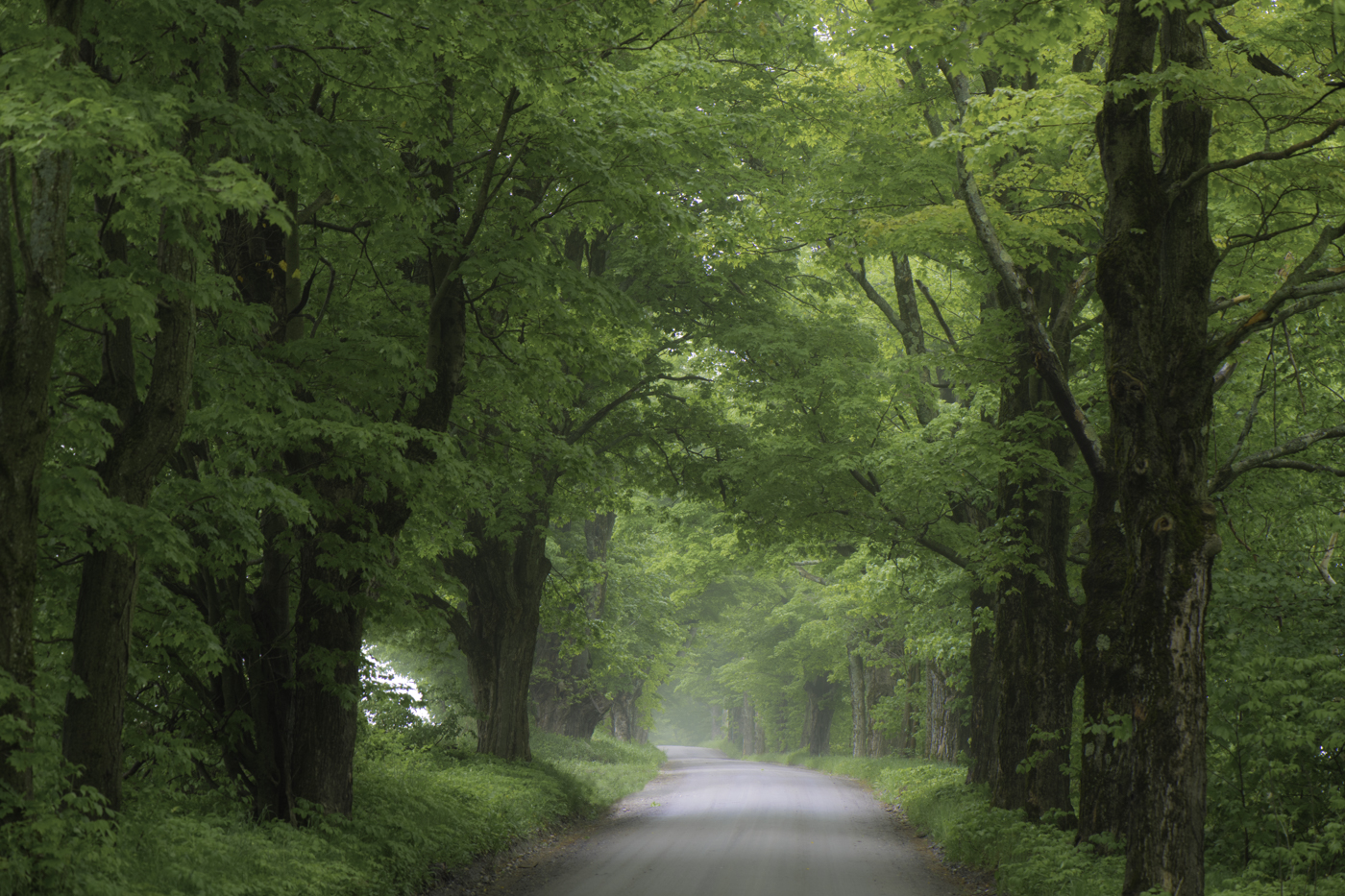

This maple tree alley was created by hundreds of years of farming on either side.


Looking south from a newly opened field.


Farm as museum, oh well.


Leaving the ferns be and mowing around them.


The same field from the top.


Removing many years of farming sin, mine and others.


Neighbor Michael and his new logging rig. A horse makes for lowwer impact logging.


Beavers shaping the land.


Previously bare hills, now mostly covered by new growth one to two centuries old.


It is sad to see these large Ashes dying, but flooring is on it's way.


Thursday, July 11, 2019

A Smoke Filled Summer


August 2018 Northwest Coast

I am starting a series of blogs here on how nature is changing due to our interference in the natural systems of this planet. I have followed climate change and population pressures on the delicately balanced ecosytems that make up the living skin of our planet for a long time. We are now heading into a very different world, one that will change more and more rapidly. A major extinction has already begun, but I will not focus on that. The landscape is my focus and what we are doing to it. There is always beauty out there, even if it is a scary kind of beautiful.      

Suave Island, just down river from Portland, OR.


Fires were burning in British Columbia, Northern California, and various places East of us as well. It was smaokey like this most days. You could smell the smoke from hundreds of miles away. 


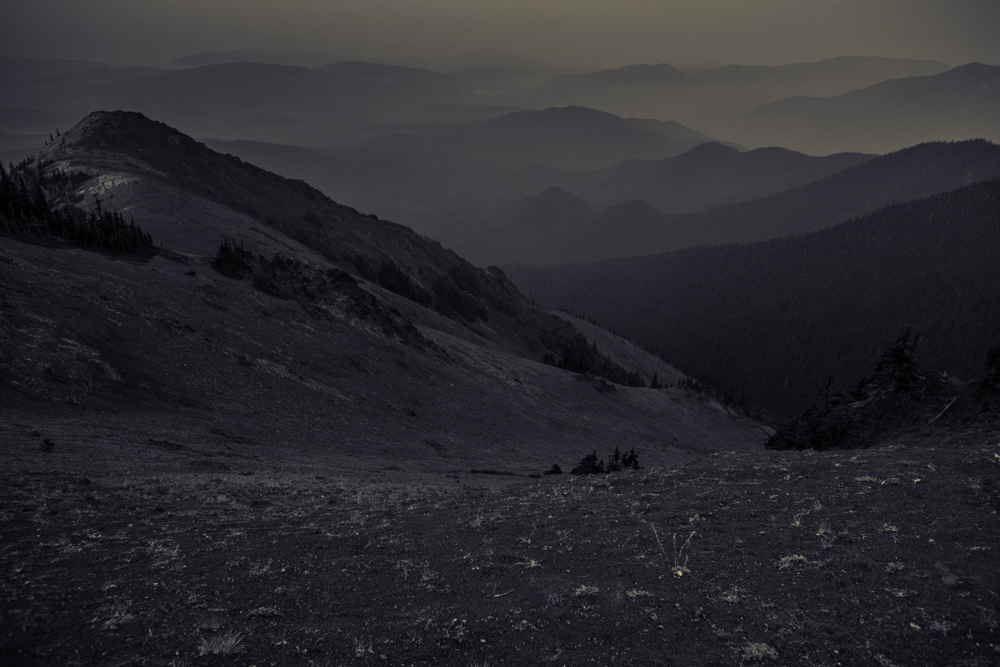
High in the Olympics the air was even thicker with smoke. This made for amazing evening shots from Deer Park.


Looking East towards the mainland and eventually Seatle.


On the far west coast of the peninsula down in the valley of the Qweets River the smoke mixed with the coastal fog for days on end.

It was absolutely other worldly for most of the time I was there. These were very destructive fires. I feel this is part of our new norm in this rapidly changing climate that we have brought about.


The sunrises and sunsets were soft deep murky colors.

more on this subject to come.......

Friday, February 10, 2017


I recently suffered a loss of many years of original photo files in a multiple drive failure. 2 backups and the original. A freak event, but I have now set about revisiting some places I photographed many years ago. Back to Puerto Rico for a week, to El Yunque in the east and across the island to Rincon in the west.

It is strange to revisit the site of a photo I have used often enough to have it etched in my brain. Pristine doors now covered in grafiti, old nuclear reactors with a fresh coat of paint, and a real rain forest right here in the USA - it's a national park.

A selection from this last trip follows.


black madonna and child


San German


San German


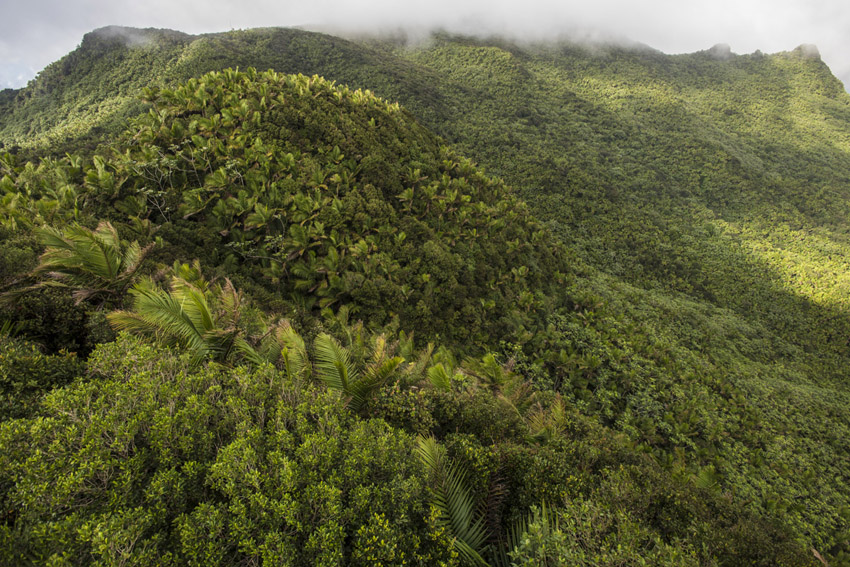
El yunque


el yunque


El yunque


El yunque


Nuclear Reactor, Rincon


Rincon sunrise


Rincon eve


Rincon morn


abandoned sugar factory


Tuesday, December 27, 2016

Ash Bar Top at the new Shea Theater

I designed and worked on the remodel of the Shea Theater in Turners Falls. I did lighting, art, Bar, and tables, and a woven drop ceiling. This blog covers  the bartop construction and tables that went with it. These are mostly taken in my Buckland shop. The project took place late 2015 through early 2016.


Thalo dye on end grain red oak


rought red oak section


Underside of bar section in Ash


two sections


printed full size patterns were used for very tight fitting built in bar sections


black stain on shaped underside of tables


fitting legs to tables


Max cutting oak sections for latter use


Front of Shea Theater with metalic paints


sanding the edges by hand to 220 grit


Jay Healy sawing Ash at Hall Tavern Farm

Acadia Once Again

My most recent series of collages are a continuation of one of my longest running series. The Acadia inspired pieces are the result of more than 10 years of visiting the park. In this corner of our country Acadia National Park is really it, as far as I am concerned. Fall, winter, summer, it has much to offer and revisit.


Not all imagery is from Acadia, Oregonian fields, Buckland Pumpkins, Ashfield leaf


Seaweed and Lichen featured here


Feathers, roots, butterfly wings, a leather vest, trees and a stone staircase 1000 ft high.


perfect fall timing in late October near 3 different parts of the park.